Up and Over
Along the Trail from Riverton, WY to Meeker, CO
There is a magic that happens when you leave Riverton and head south. For many of us Wyoming isn’t just the place where we live; it’s the place we traverse. Our history is recorded in the ruts of wagon wheels and the high-desert winds. Recently my travels took me from the heart of the Wind River Valley down to the southern frontier of Baggs; a route that showcases Wyoming’s barely settled beauty.
The View from the Rim
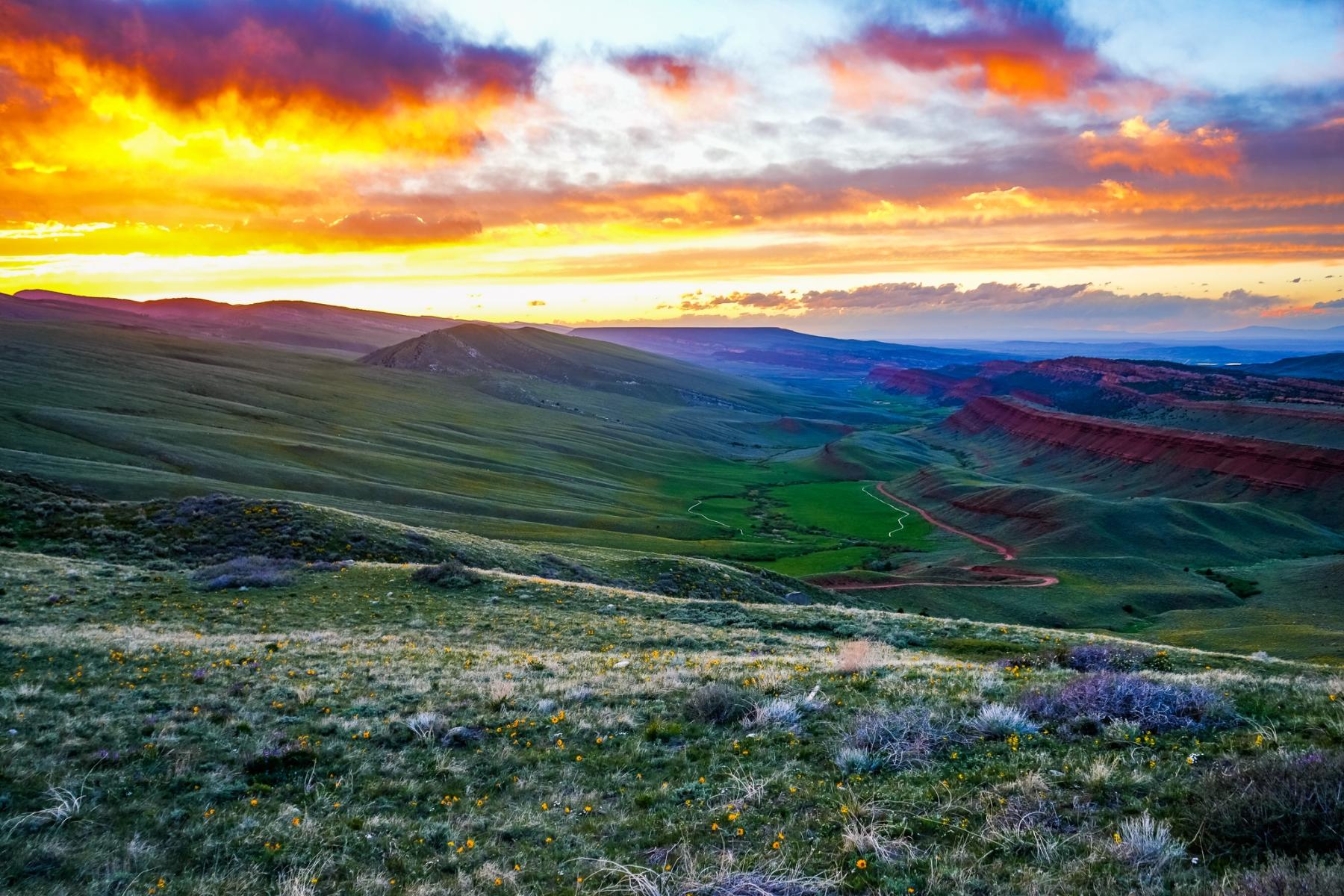
Leaving Riverton, my route did not go through Lander, instead I followed the Sand Draw cutoff near Beaver Rim. If you have not driven this stretch lately, the view as you crest the rim and look back toward Lander is nothing short of fantastic.
It is a reminder of the geography that influences our lives. On this trip between Riverton and Meeker, CO, you cross the Continental Divide once, not twice, but multiple times as you navigate the Great Divide Basin and the high plateaus. It is a dizzying dance between the Atlantic and Pacific watersheds that dictates why this land was so difficult to tame.
The Sentinel and the Station
As the road opens up, Split Rock appears. It remains one of my favorite views in the state. I remember traveling these roads with my father and grandfather, heading out to visit sheep camps at South Pass and the vast stretches west of Sweetwater Station.
|
Image
|
Image
|
Image
|
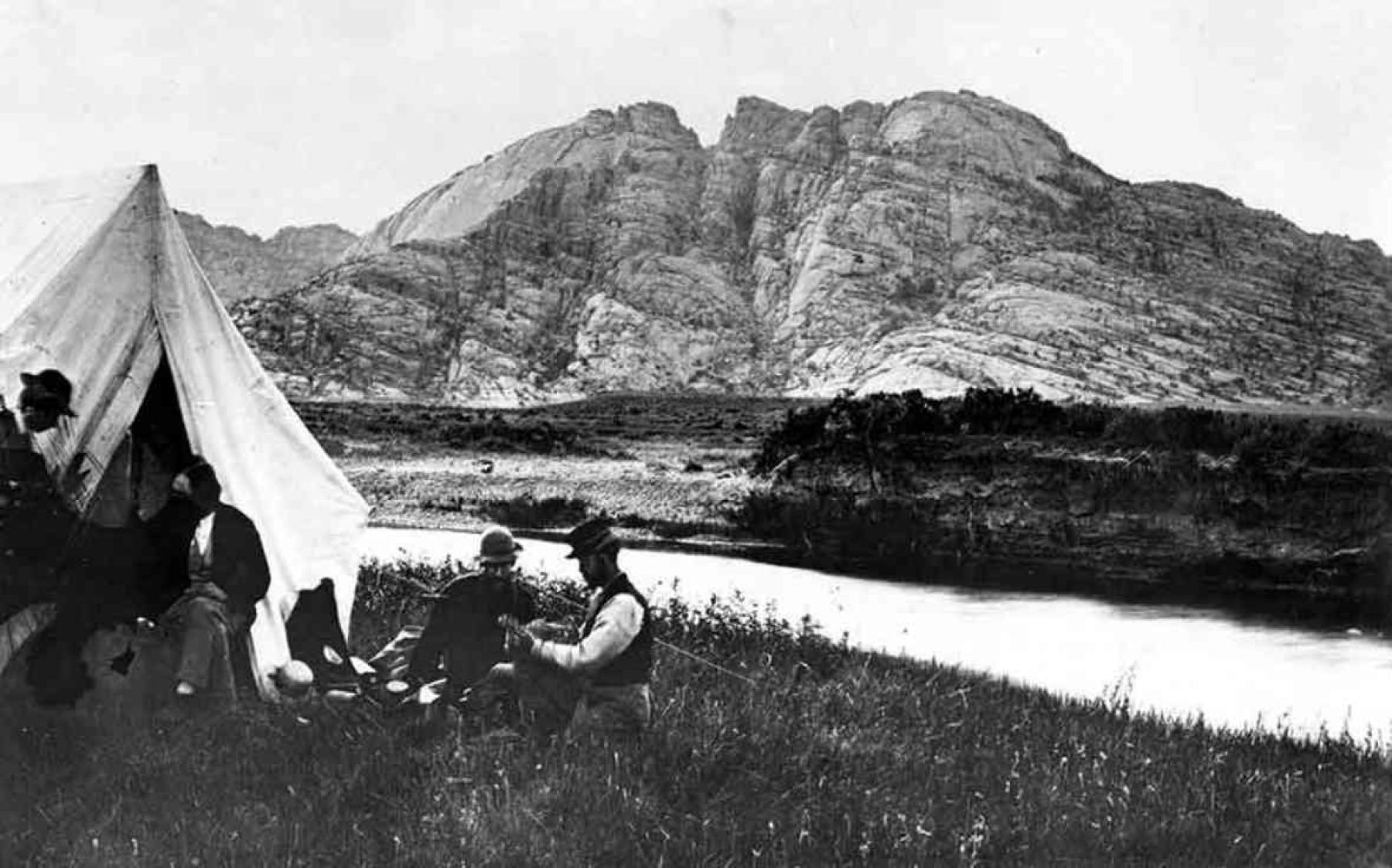
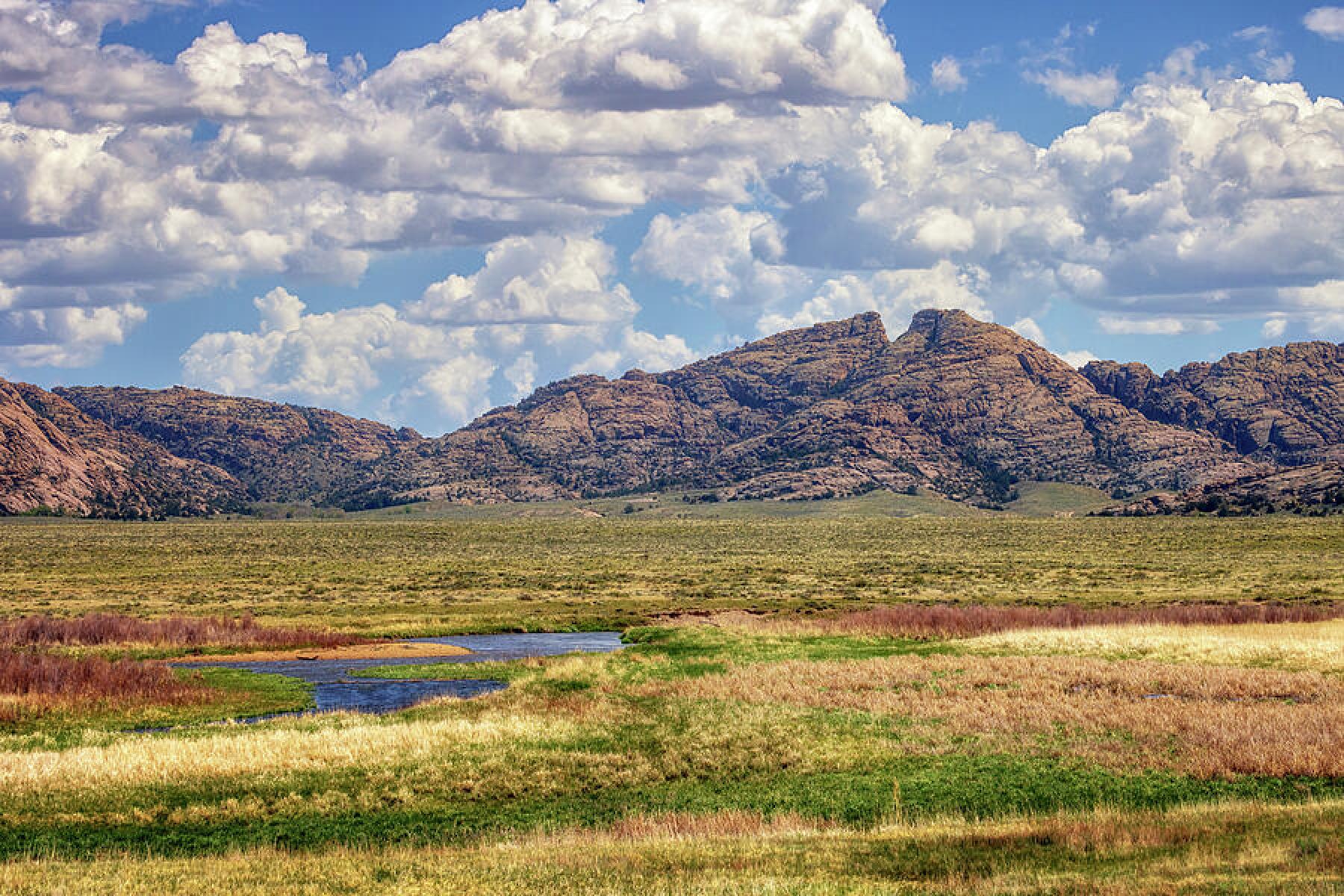
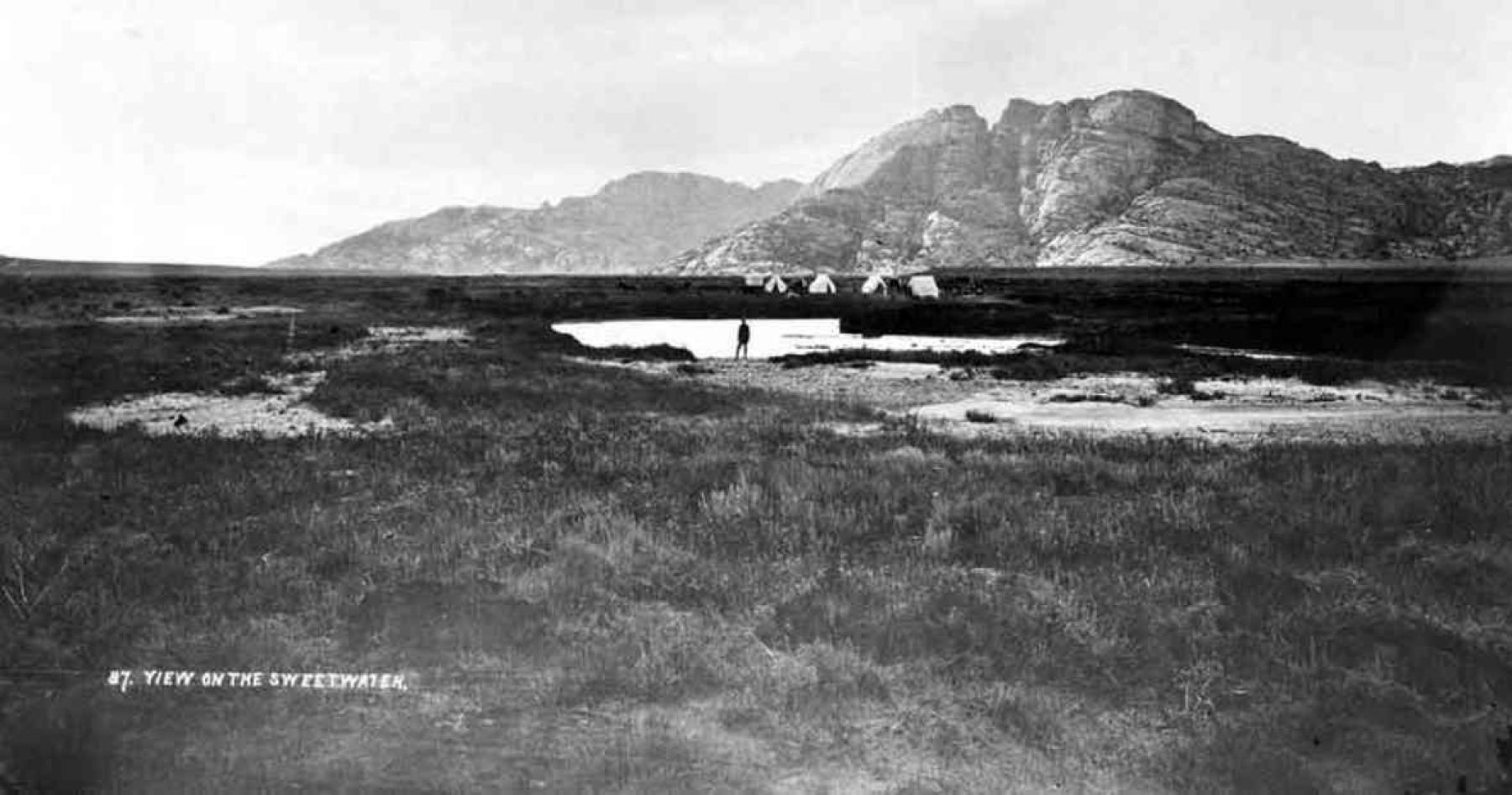
Pioneer photographer William Henry Jackson made these two pictures, left and right, in 1870, when he camped near Split Rock with members of the Hayden Survey. USGS photo. Center, Split Rock in June 2025.
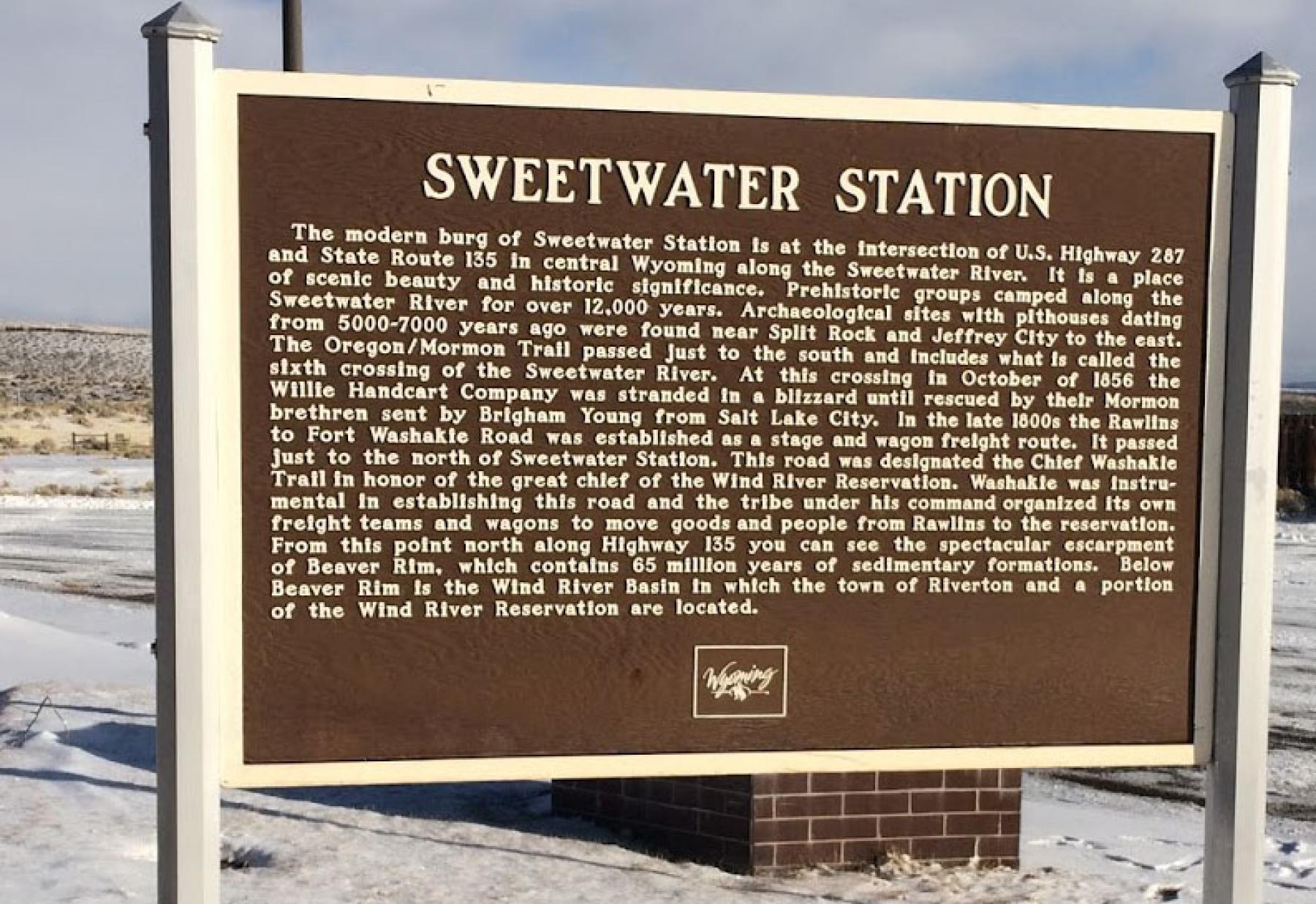
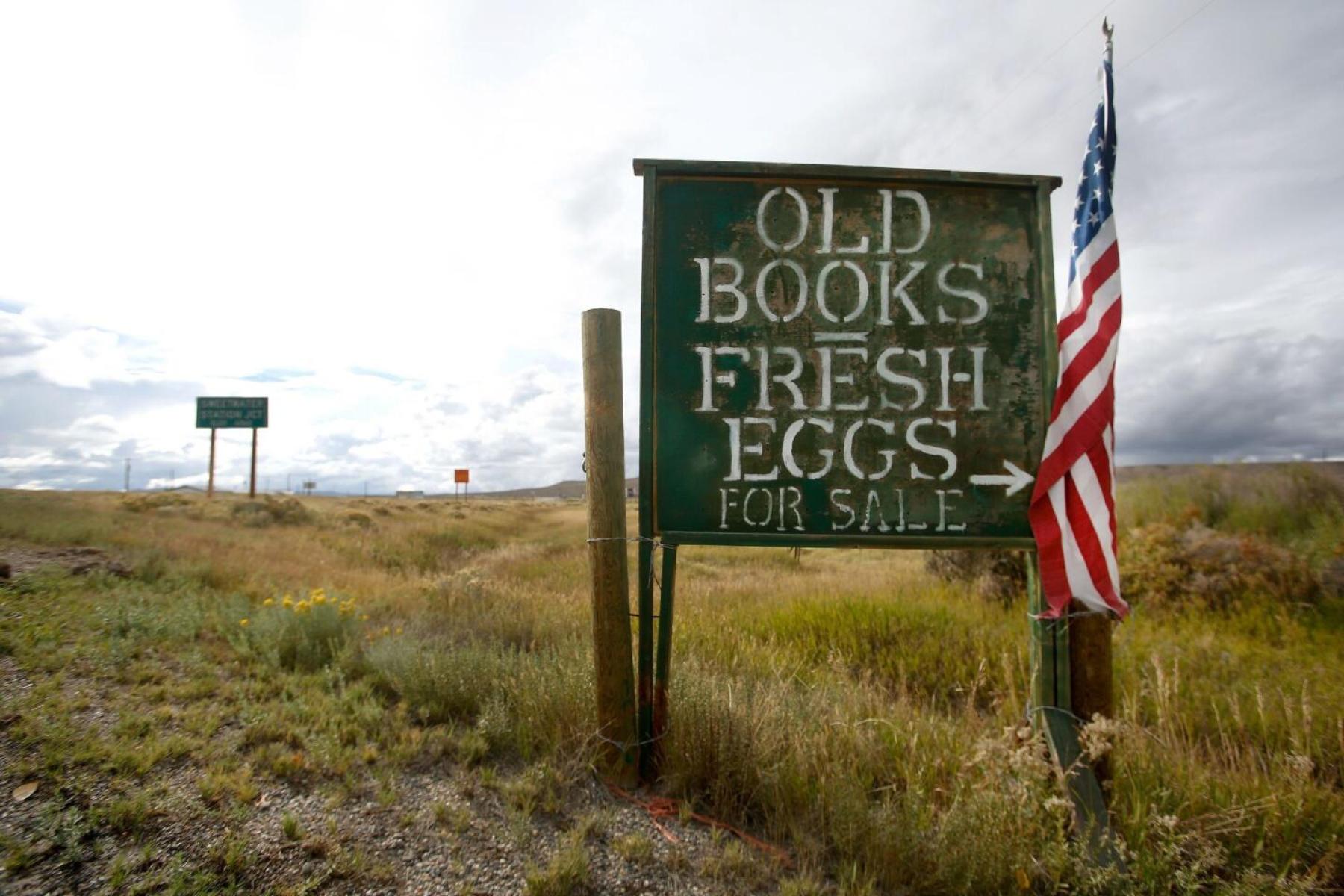
I recall how Hollywood tried to capture this in The Young Riders, featuring a very young Josh Brolin. That show actually lasted longer than the real Pony Express did! It’s worth noting, however, that the show’s version of "Sweetwater Station" looks nothing like the real one, both in buildings and landscape. For me, the real station, now a rest area and unique local waypoint, is a much more treasured stop. It is a place where I can visit with friends, catch up, and add another book to my to-be-read (TBR) pile, and maybe even head home with some fresh eggs. It’s a bridge between the grueling life of the pioneers and the tight-knit community that defines Wyoming today.
|
Image
|
Image
|
The Historical Trail: A Roadside Guide
To fully grasp this trek, I can turn to Randy Tucker’s Rails to Trails. He captures the gritty reality of the stage stops that were once the only lifelines in this wilderness. I encourage you to stop at every marker along the way. To help you plan, here is a refined list of some essential stops along the route:
- Riverton Museum: Housed in a historic 1916 church, this museum is a gem for those interested in 20th-century homesteaders, the regional uranium boom, and the deep history of the local Shoshone and Arapaho people.
- The Muddy Gap Detour (10–12 miles east of the turn south): Mormon Handcart Historic Site (Martin’s Cove): A moving tribute to the 1856 handcart companies.
- Devil’s Gate & Independence Rock: Iconic landmarks on the Oregon, Mormon, and California Trails
- Devil’s Gate & Independence Rock: Iconic landmarks on the Oregon, Mormon, and California Trails
- Rawlins & Sinclair:
- Wyoming Frontier Prison: A haunting tour of a maximum-security prison (1901–1981), including the "punishment pole."
- Carbon County Museum: Home to an original Wyoming sheep wagon, a mammoth skull, and the infamous "shoes" made from the skin of the outlaw Big Nose George.
- Parco/Sinclair Museum: A tiny detour east of Rawlins to see, petroliana, (memorabilia of the petroleum industry) in this unique, company-built town.
- Baggs & Savery:
- The Outlaw Stop (Baggs): Part of the Little Snake River Museum district, featuring the Mathews/Gaddis House where Butch Cassidy and the Wild Bunch famously stayed and danced.
- Little Snake River Museum (Savery): Located 14 miles east of Baggs, this expansive "outdoor" museum features over 15 buildings, including the Jim Baker Cabin, a one-room schoolhouse, and an incredible collection of vintage sheep wagons.
The Constant Traveler
In keeping with the WHS’s move to recognize that Wyomingites have never felt restricted by state lines, a trend lasting more than a millennium, we acknowledge our constant need for travel and the call of our open roads.
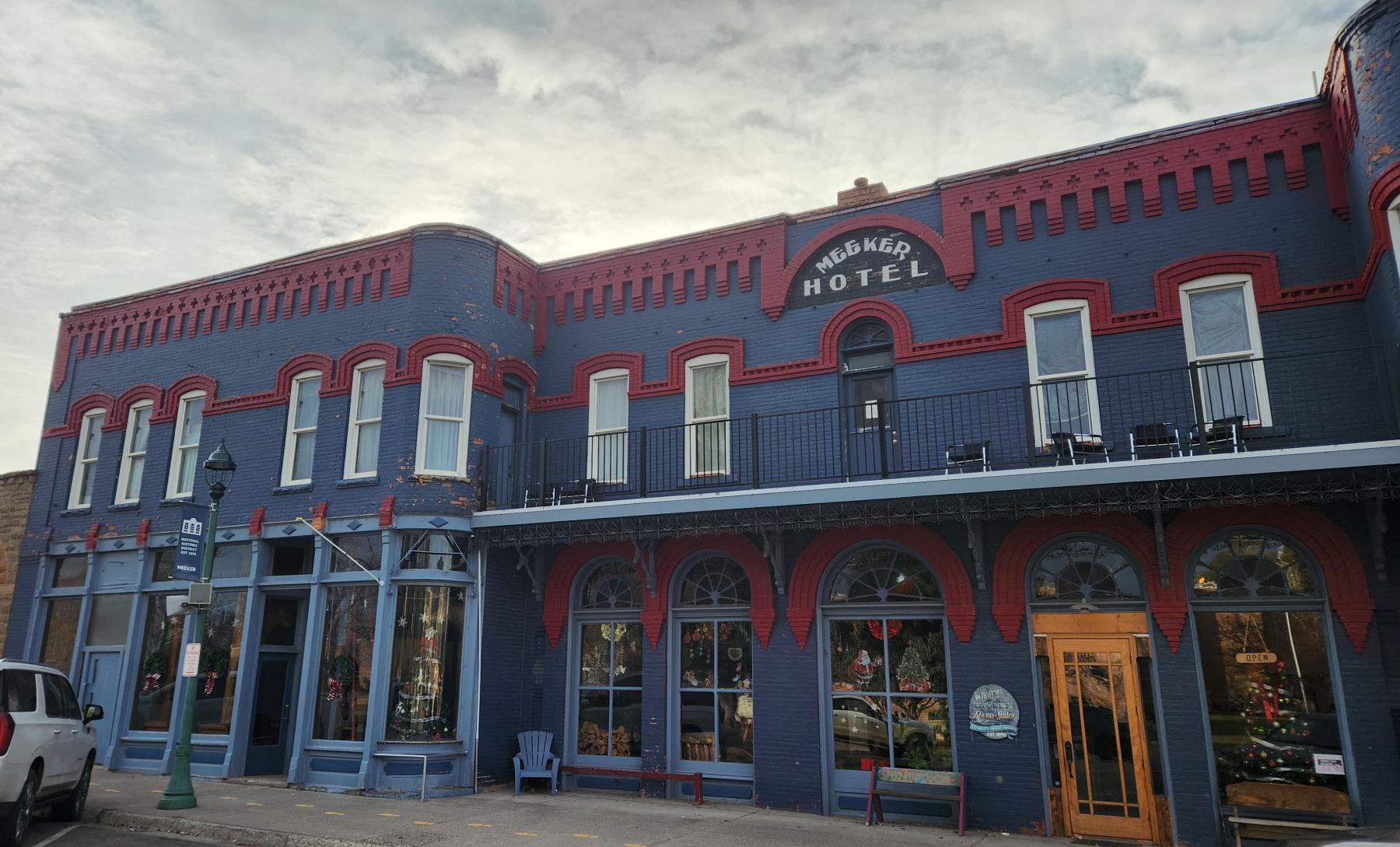
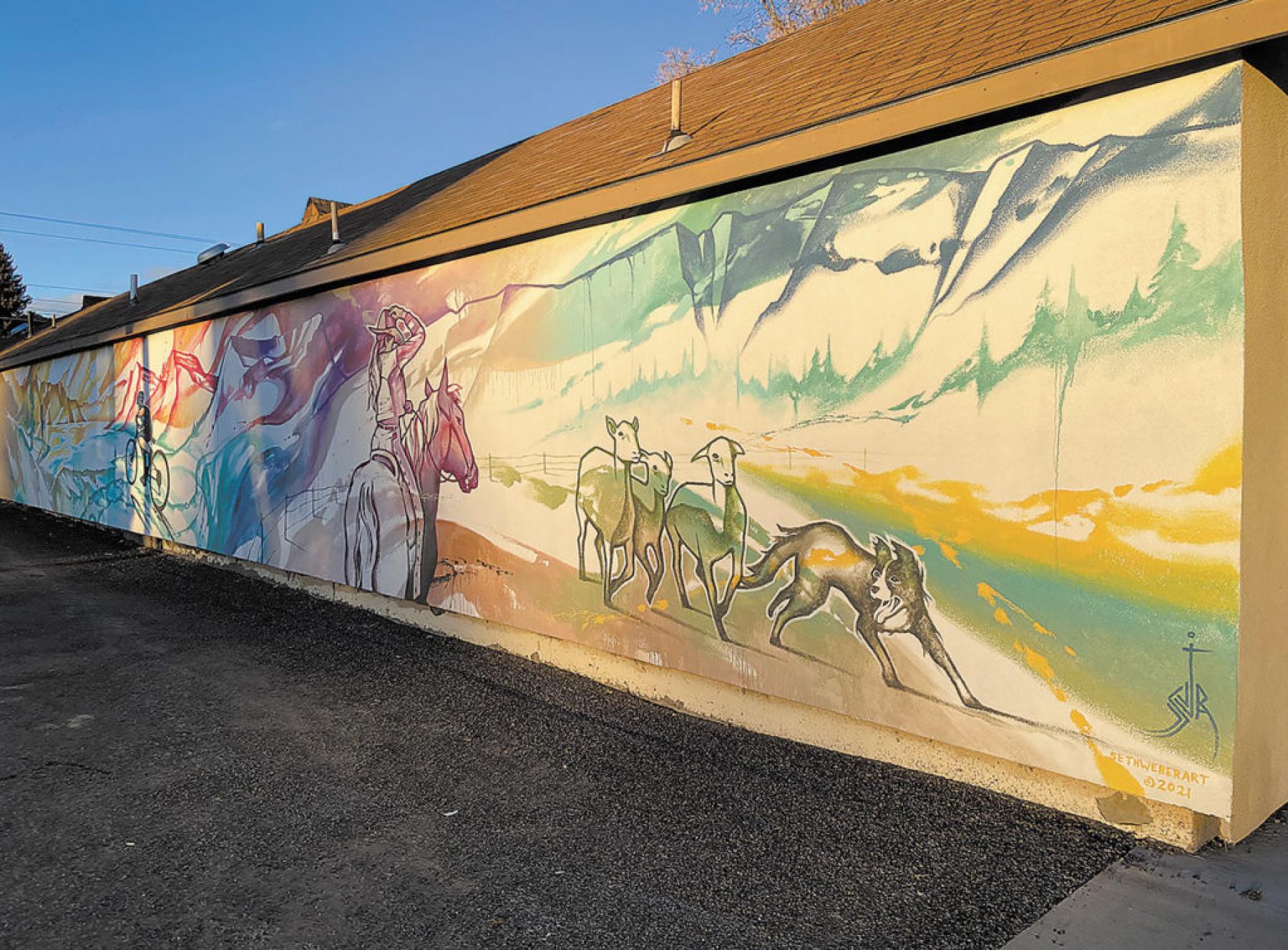
I recently extended my trip into Meeker, Colorado. The history there is inextricably linked to our own, particularly at the historic Meeker Hotel (built 1896). But Meeker is also world-renowned for its Sheep Dog Trials. This relationship between handler and stock dog is part of the soul of the West. The town honors this heritage with phenomenal murals that capture the spirit of the border collies and the livestock that have moved across these state lines for generations.
|
Image
|
Image
|
Whether we are moving livestock, chasing the mail, or visiting friends, we are a people in motion.
See you on the trail,

EXPLORE MORE HISTORY OF THE ROUTE: Annalope Cafe